A Case of Chronic Cough
Recently, a 6-year-old girl visited my practice with her parents. She had been struggling with a chronic cough for the past two years. Her mother shared that they had tried everything—from inhalers to naturopathic treatments and homeopathy—yet her condition hadn’t improved. Feeling desperate, they came to me on the recommendation of a family friend.
I approached this case with classical homeopathy. The child complained of chest and throat pain when coughing. Her mother mentioned that during her worst coughing episodes, she would cough so intensely that she would eventually vomit clear mucus, which provided relief for a few hours before the cough returned. The cough was triggered by talking, singing, laughing, and running. There were no other cold or flu symptoms, and her appetite was normal except for a strong craving for ice cream.
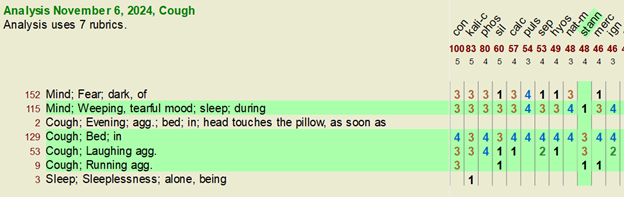
Knowing that other homeopaths had likely tried the common remedies, I decided to look for something more suited to a chronic presentation. My analysis suggested Stannum metallicum as the primary remedy, with Kali carbonicum as a second option, especially if gastric reflux was a possible cause. Potassium salts are associated with both weakness and coldness, though the child’s thermals were not clearly pronounced.
As I was finishing my assessment, the mother added that her daughter often weeps in her sleep—a symptom also covered by Stannum. Based on this, I prescribed Stannum 30, to be taken once every six hours until she felt 70% better, at which point we would reduce or stop the dosage.
The next day, the father called to tell me that after just two doses, his daughter had slept through the day, and within 24 hours, her cough had improved by 90%. I advised them to stop the remedy and to resume it only if a relapse occurred. To date, there have been no relapses.